

We encourage children to drink water. Find increasingly creative ways to get fruit and vegetables into lunchboxes. Get them moving each day.
And, of course, many of these things support emotional health too.
But here’s something I’ve been thinking about:
Do we make the same effort to give children simple, everyday opportunities to actively practise looking after their emotional health?
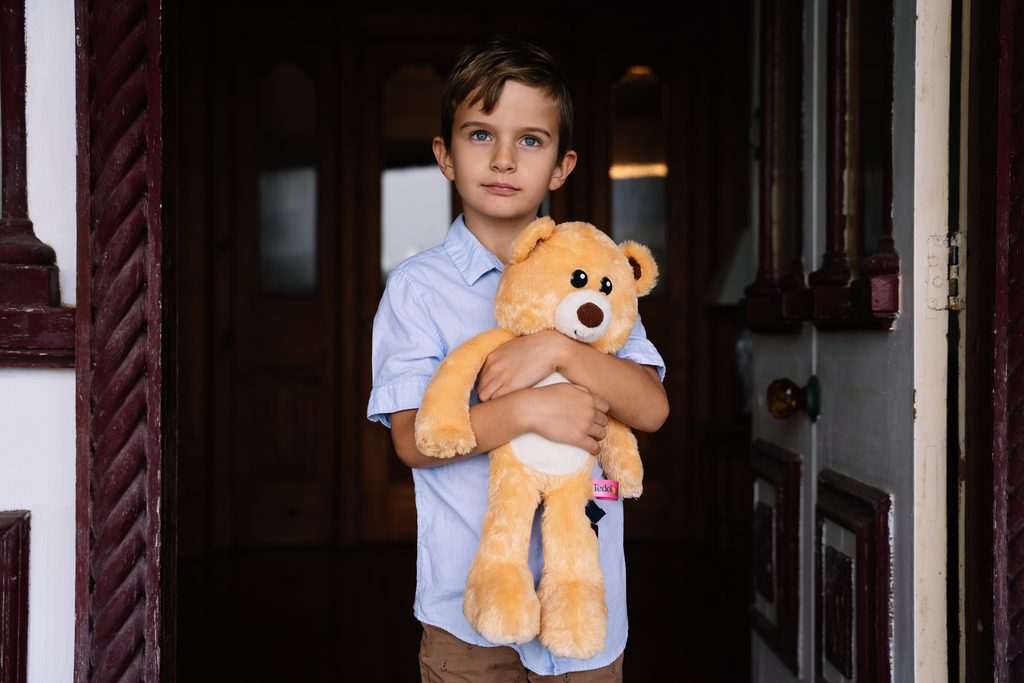
I love the idea of Crunch & Sip in schools. Although, as a mum, I admittedly don’t always love chopping vegetables at 6.30am.
What I love is the principle behind it.
It’s small. Regular. Predictable. And simply part of everyday life.
It also sends an important message: this matters, and we care enough to make time for it every day.
As a clinical child psychologist, I wonder whether emotional wellbeing could look more like that too.
Not another wellbeing day or program. And not another job for already busy parents and teachers.
Just tiny practices woven into everyday life.
I try to practise what I preach (and I say try intentionally!). In our house we’ve developed “Brush & Bear” in the morning and the “3 Bs” — Brush, Bear & Book — at night.
Teeth are brushed, then my son does one quick activity with his wellbeing bear while I get ready. A couple of minutes of stretching, breathing, noticing, talking about feelings or building confidence.
We don’t wait for dehydration before offering a drink. So why wait for overwhelm before offering regulation?
Those small moments give children’s brains repeated opportunities to practise noticing, regulating and expressing emotions while life is going well.
Schools are increasingly creating sensory spaces, calm corners and opportunities for regulation, which is wonderful. I’d love us to think about these not only as things children access when they’re struggling, but as everyday tools for everyone.
Emotional wellbeing doesn’t necessarily need more space in our already busy days.
It just needs to become part of the things we’re already doing.
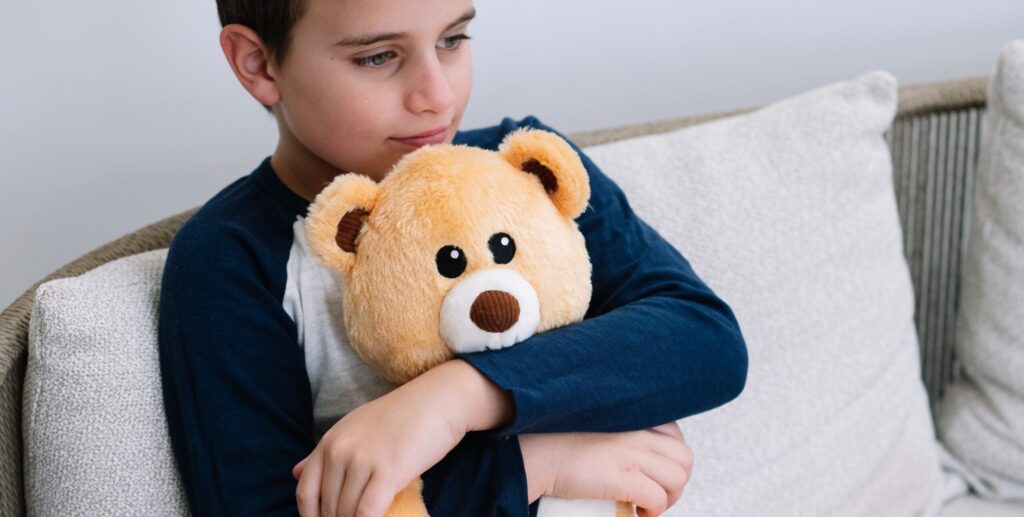

Meet Teddy
While the Tedology Bear may look like a teddy bear, it is actually an emotional wellbeing kit designed to help children talk about feelings, feel calmer, and manage big emotions through connection and play.