

As a clinical child psychologist of more than 15 years — and mum of a squishy-loving son — the extraordinary popularity of squishies has got me thinking.
I’m now even being asked by families to write to schools requesting that their child be allowed to take one.
So, are squishies simply a trend? Or are children telling us something?
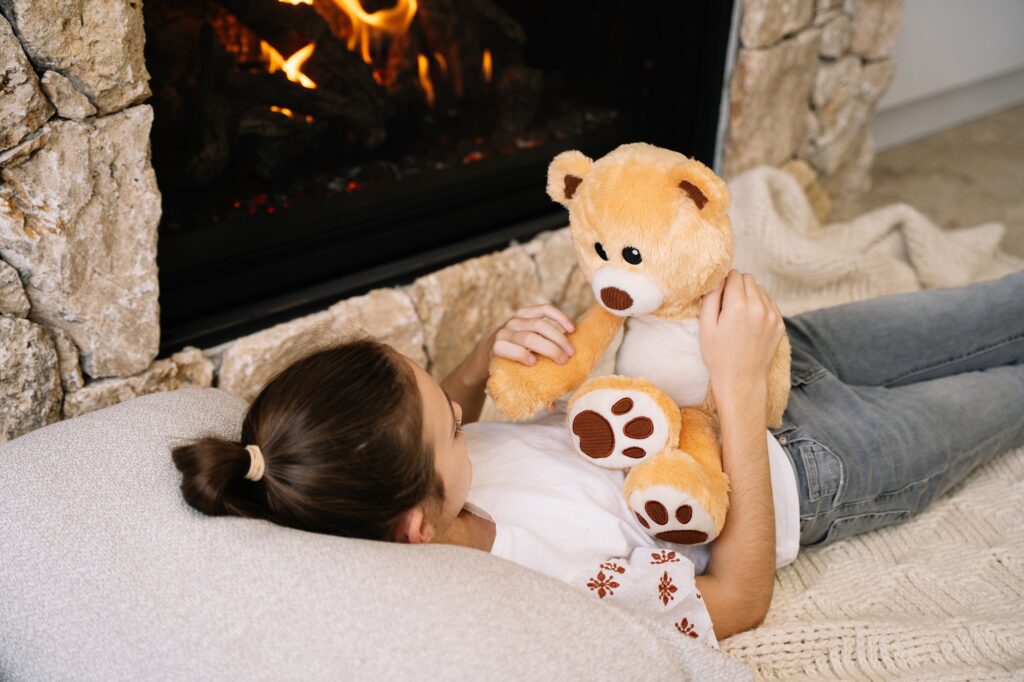
They’ve made their way into bedrooms, school bags and classrooms everywhere. And the science behind why squeezing, fiddling and repetitive sensory experiences can feel comforting is fascinating.
From very early in life, we use touch and repetitive sensory experiences to soothe and regulate ourselves. Babies find their hands and suck their fingers. Children fiddle with their clothes or hair. Adults click pens, rub their hands, bite their nails or fiddle with objects without even realising they’re doing it.
Our hands provide our brains with a constant stream of sensory information. Squeezing, stretching and manipulating something can provide predictable tactile and movement feedback and for some children, that can feel regulating.
So perhaps the squishy phenomenon is worth looking at differently.
In children’s increasingly busy, stimulating worlds, what if part of their fascination with squishies is simply their brains saying: “I need more opportunities to regulate”?
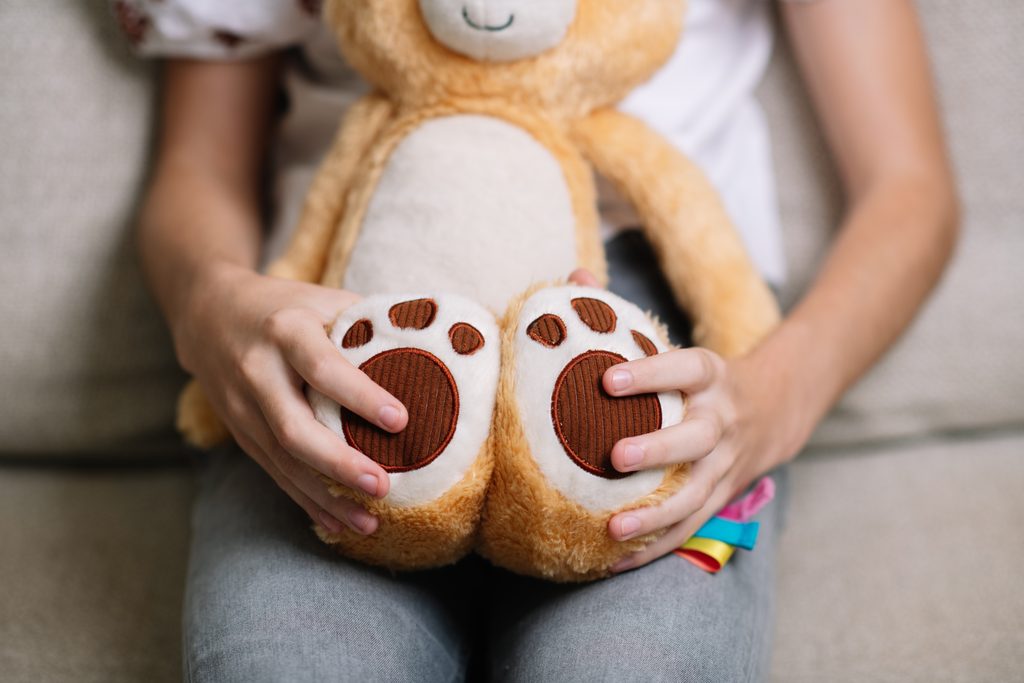
And who can blame them?
This doesn’t mean every child needs a squishy, or that every squishy needs a place in every classroom. Children are different, and what helps one child may distract another.
But I do think their popularity tells us something worth listening to. They want more fun engaging ways to regulate emotions and be comforted not only when they’re overwhelmed, but as part of everyday life. Children aren’t simply asking us for squishies, they’re asking us for more opportunities to regulate and squishies are just one of the ways they’ve found to do it.

Meet Teddy
While the Tedology Bear may look like a teddy bear, it is actually an emotional wellbeing kit designed to help children talk about feelings, feel calmer, and manage big emotions through connection and play.